Optimal Timing for Sheetrock Installation
Sheetrock installations are typically scheduled based on climate conditions, project timelines, and indoor environment stability. Optimal periods avoid extreme temperatures and high humidity, which can affect drywall performance and finishing quality.
Spring and fall often provide ideal weather conditions, reducing the risk of moisture issues and temperature fluctuations that can impact drywall work.
Avoiding installation during heavy rain or extreme cold helps prevent moisture absorption and warping of drywall materials.
Scheduling during periods of stable indoor temperatures ensures better adhesion, drying, and finishing results.
High humidity can lead to mold growth and compromised drywall integrity, making dry and warm conditions preferable.
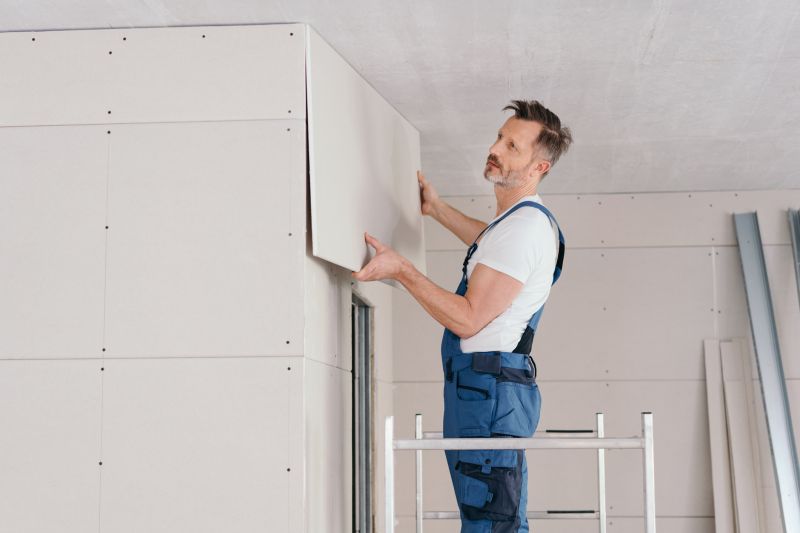
Ideal for moderate temperatures and low humidity, ensuring quality results.
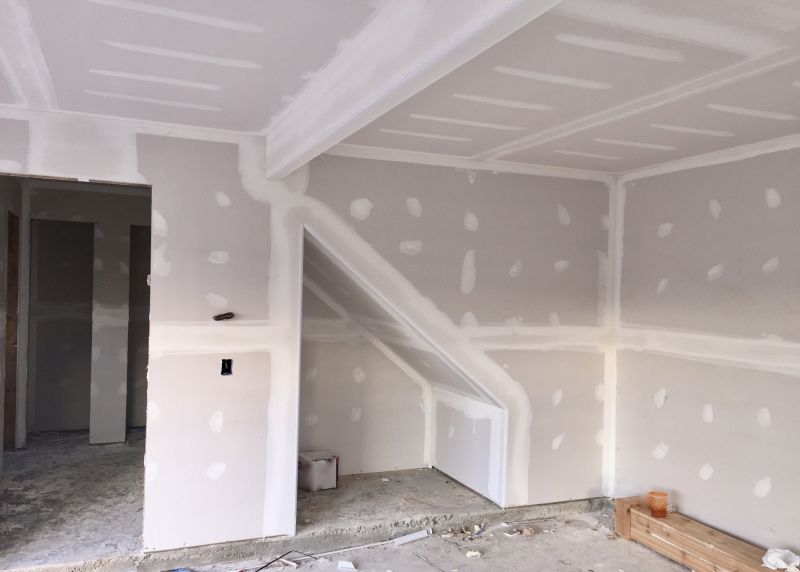
Requires careful planning to avoid heat and humidity issues.
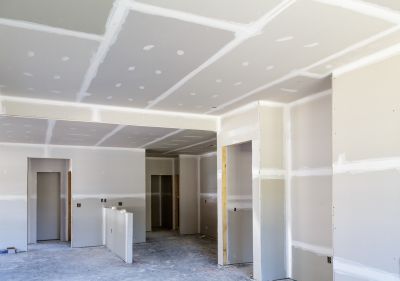
Optimal conditions for installation and finishing work.
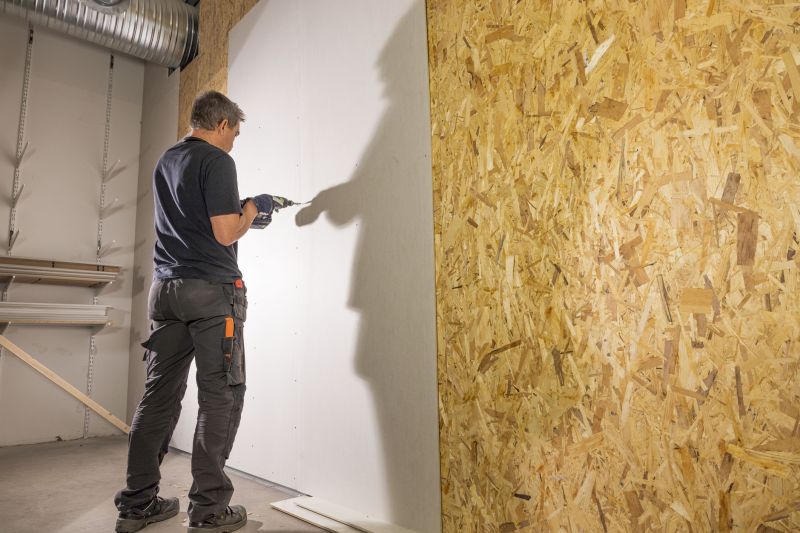
Ways to make Sheetrock Installations work in tight or awkward layouts.
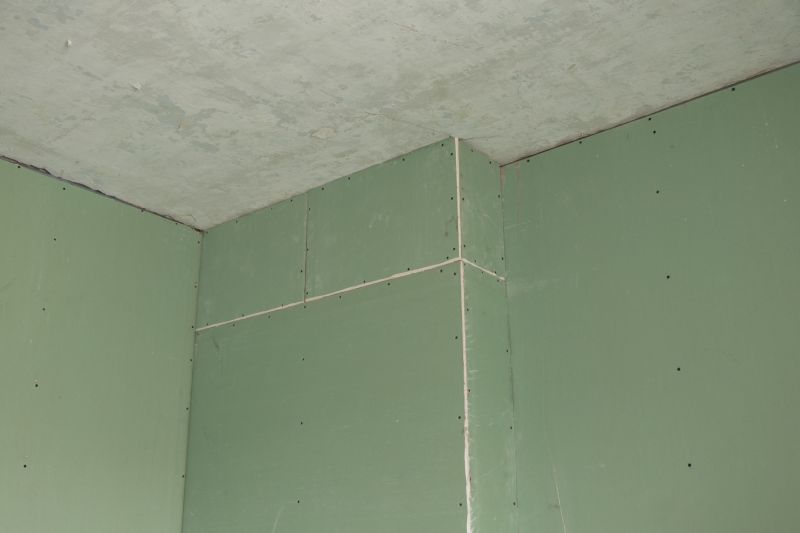
Popular materials for Sheetrock Installations and why they hold up over time.
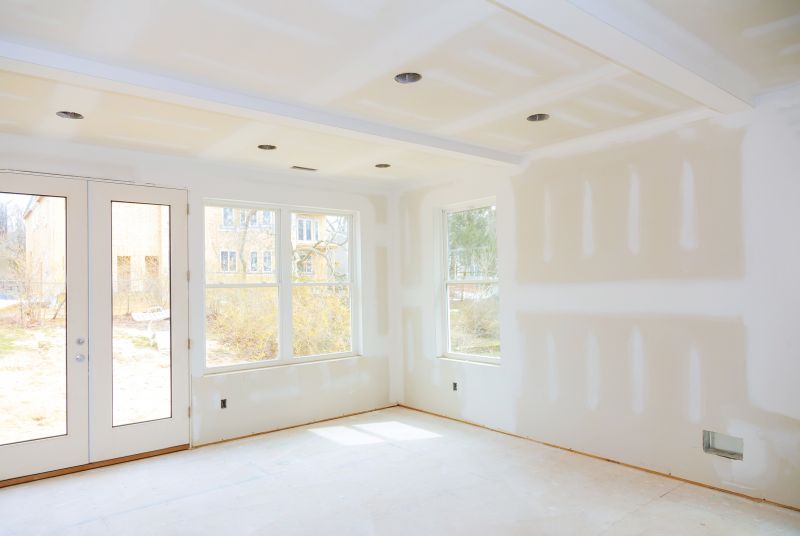
Simple add-ons that improve Sheetrock Installations without blowing the budget.
| Season | Recommended Conditions |
|---|---|
| Spring | Moderate temperatures, low humidity |
| Summer | Warm but dry conditions, avoid peak heat |
| Fall | Cooler temperatures, dry air |
| Winter | Not recommended unless indoor climate is controlled |
| Early Summer | Potential humidity issues, plan accordingly |
Sheetrock installations involve attaching drywall panels to framing structures, followed by finishing processes such as taping, mudding, and sanding. Proper timing ensures optimal drying and adhesion, reducing the risk of cracks, warping, or mold development. Drywall accounts for a significant portion of interior wall construction, with estimates indicating that approximately 80% of interior wall surfaces in residential and commercial buildings utilize drywall materials. The process typically takes several days, depending on project size and environmental conditions, emphasizing the importance of scheduling during suitable weather periods.
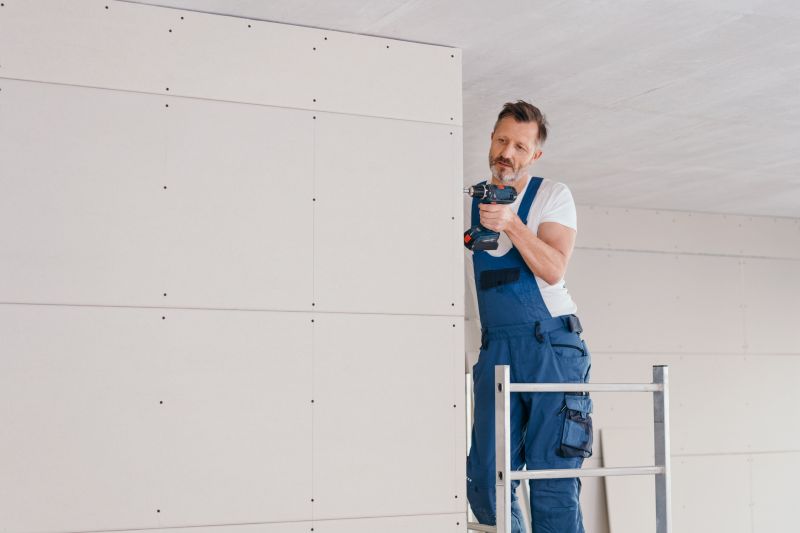
Drywall panels secured to framing structures.
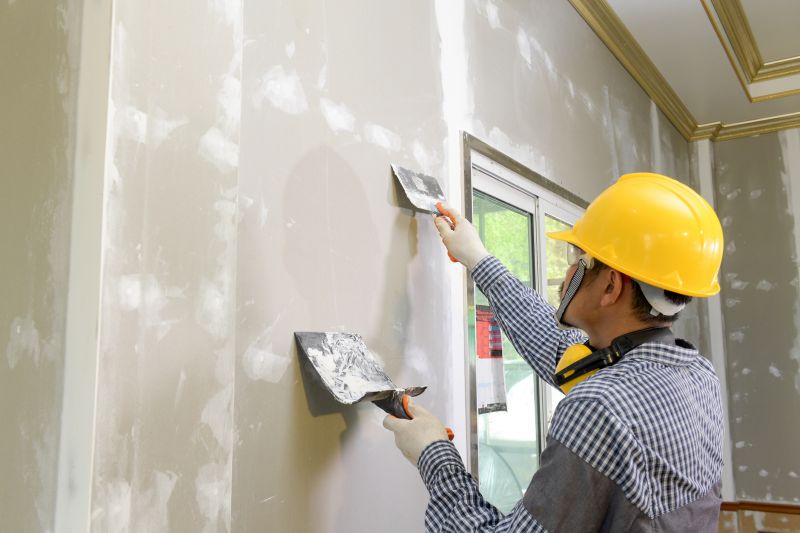
Taping and mudding for smooth surfaces.
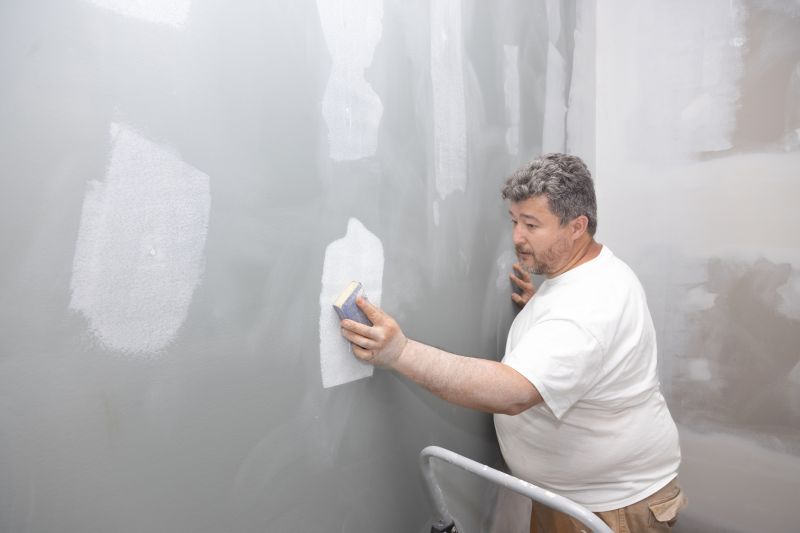
Preparing surfaces for painting or wallpaper.
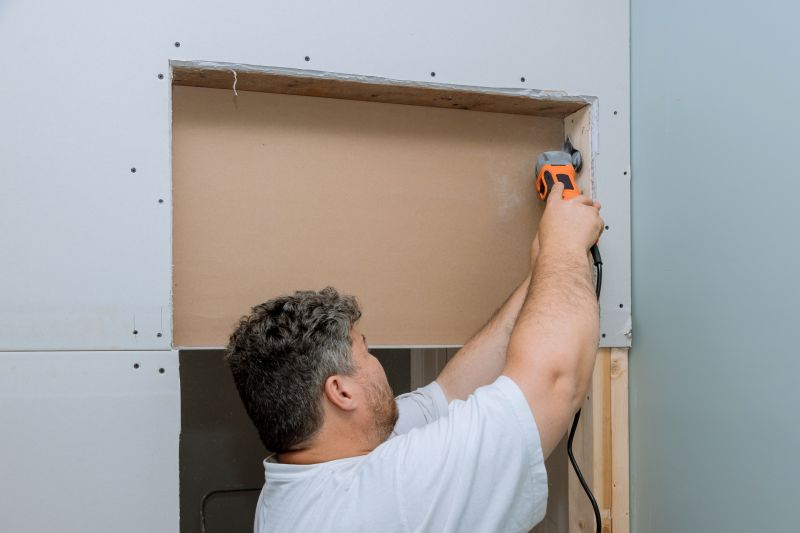
Ensuring quality and smoothness of drywall work.
Interested in scheduling drywall installation? Filling out the contact form can facilitate planning during the most suitable period for your project. Proper timing ensures high-quality results and efficient completion of interior wall work.