
Favorite Sheetrock Installation Accessories For Better Results
Uncover must-have accessories that help achieve clean finishes and efficient workflows in drywall projects.
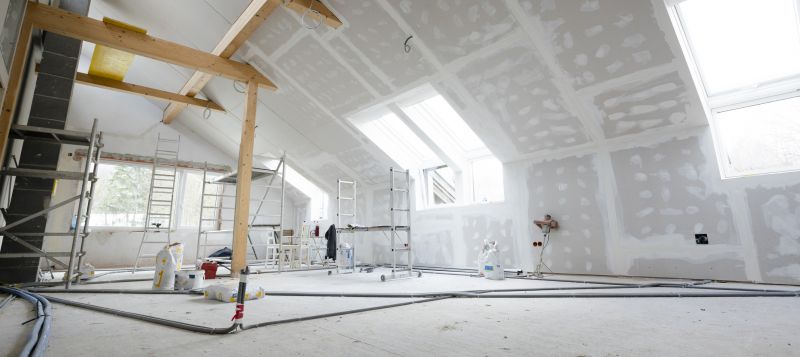 Installing sheetrock, also known as drywall, is a fundamental step in creating smooth, durable interior walls and ceilings. The process involves a variety of products designed to facilitate proper installation, finishing, and durability. From the initial application of joint compound to the finishing touches that ensure a seamless surface, selecting the right products can significantly impact the quality of the final result. Understanding the different types of tools and materials available helps ensure a smoother installation process and a professional-looking outcome.
Top Overall Option
Comprehensive Drywall Installation Kit
A well-rounded drywall installation kit typically includes essential tools such as taping knives, mud pans, sanding blocks, and joint compounds. These kits are designed to provide everything needed for the entire drywall finishing process, making them a convenient choice for both DIYers and professionals. High-quality kits often feature durable, ergonomic tools that help achieve smooth, professional results with less effort.
Types of Products For Sheetrock Installations
Joint Compound
Various formulations are available for taping, finishing, and touch-ups, including lightweight, all-purpose, and setting compounds.
Drywall Tape
Paper and fiberglass mesh tapes are used to reinforce joints and seams, preventing cracks and ensuring a smooth surface.
Taping Knives
Different sizes of taping knives help spread joint compound evenly over seams and fasteners for a seamless finish.
Sanding Blocks and Sanders
Tools designed for smoothing joint compound and achieving a flat surface before painting or finishing.
Fasteners
Drywall screws and nails are used to secure sheets to framing, with different types suited for various applications.
Corner Beads
Metal or plastic strips used to reinforce and create crisp, durable corners on drywall edges.
Joint Tape Applicators
Tools that help apply tape smoothly and evenly over joints, reducing bubbles and wrinkles.
Drywall Lifts
Assist in holding drywall sheets in place during installation, especially for ceiling or high wall applications.
Mud Pans
Contain and transport joint compound, making it easier to work with during taping and finishing.
Corner Finishing Tools
Specialized tools for applying and finishing corner beads for sharp, clean edges.
Drywall Saws
Tools used for cutting drywall sheets to size or creating openings for fixtures and outlets.
Level and Measuring Tools
Ensure accurate placement and alignment of drywall sheets and accessories.
Dust Masks and Safety Gear
Protective equipment to safeguard against dust and debris during sanding and cutting.
Popular Choices
Versatile compound suitable for most taping and finishing applications, widely used for its ease of use.
Popular for its strength and ease of application, helping to reinforce seams and prevent cracking.
Commonly used for securing drywall sheets, with various lengths to accommodate different thicknesses.
Easy-to-install corner reinforcement that provides durability and a clean finish.
Preferred for their ergonomic design and ease of handling during joint application.
Handy for smoothing out joint compound and achieving a flawless surface.
Helpful for positioning large sheets, especially on ceilings or high walls.
Assist in applying tape and compound to corners for crisp, professional edges.
Essential safety equipment to protect against airborne dust during sanding and cutting.
Protects floors and surfaces from excess joint compound and debris during application.
Convenient for quick repairs and small projects, providing a secure seam reinforcement.
Complete sets designed for patching small holes and damages efficiently.
Ideal for rounded or irregular corners, offering versatility in finishing.
One of the key aspects of sheetrock installation is managing joints and seams. Proper taping, mudding, and sanding are essential to achieving a flat, even surface. The choice of joint compounds, taping products, and finishing tools can make the difference between a surface that requires extensive sanding and one that is ready for painting after minimal finishing. Additionally, the use of quality fasteners and support materials helps maintain the integrity of the drywall over time.
Whether you are a DIY enthusiast or a professional contractor, having the right assortment of products tailored to your project size and scope is crucial. From lightweight compounds suitable for quick repairs to heavy-duty taping tools designed for large-scale installations, the variety of available products ensures that every step of the process can be handled efficiently. Proper preparation and the right materials can save time, reduce frustration, and lead to a more polished final appearance.
Ultimately, investing in reliable, high-quality products for sheetrock installation supports a safer and more efficient workflow. While the selection can seem overwhelming, focusing on versatile, well-reviewed items that suit your specific needs can help streamline your project. With the right tools and materials, even complex drywall tasks become more manageable, resulting in walls that are both aesthetically pleasing and structurally sound.
Key Buying Considerations
- Compatibility with project scope and drywall thickness.
- Ease of application and handling, especially for DIY projects.
- Durability and long-term performance of fasteners and reinforcement materials.
- Type of joint compound suitable for your finishing needs, such as lightweight or setting compounds.
- Quality and type of drywall tape to prevent cracking and ensure seamless seams.
- Availability of tools that match your skill level and project complexity.
- Safety features and ergonomic design of application tools.
- Compatibility of corner beads with your wall edges and preferred finishing style.
- Ease of sanding and finishing to achieve a smooth surface.
- Budget considerations while maintaining quality standards.
- Availability of replacement parts or additional accessories for tools.
- Brand reputation and user reviews for reliability and performance.
- Storage and organization options for tools and materials.
- Environmental conditions of the installation area, such as humidity or temperature.
- Compatibility of fasteners with framing materials and drywall type.
This page contains affiliate links. We may earn a commission if you purchase through these links, which helps support our content and recommendations.